How to Handle Emergency Roof Repairs?
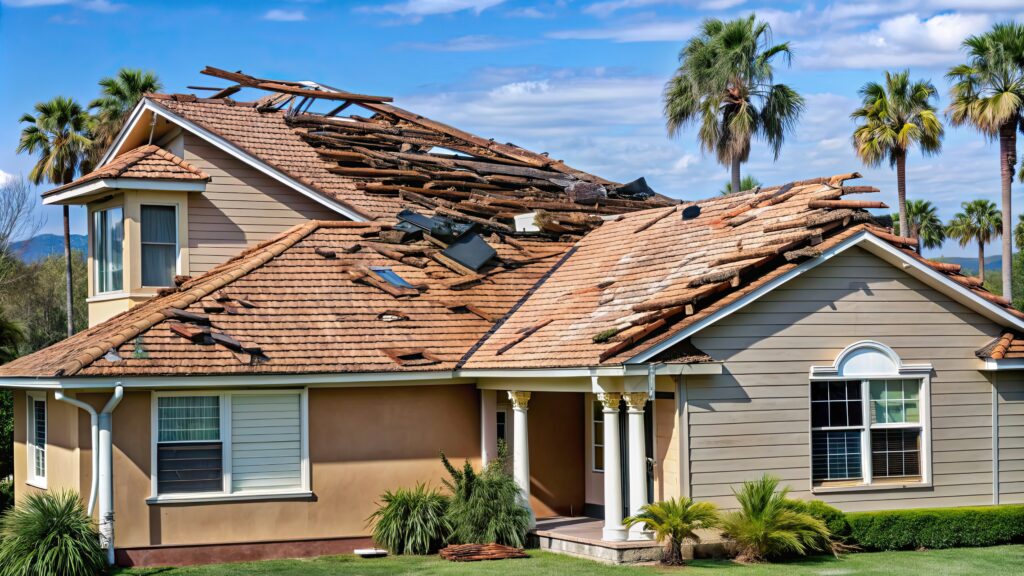
Roofs are the unsung heroes of our homes, shielding us from the elements and maintaining the structural integrity of our most cherished sanctuary. But what happens when Mother Nature decides to test the limits of your roof’s resilience? Facing an emergency roof repair can be a daunting prospect, leaving homeowners feeling overwhelmed and unsure of where to start. Fear not, for we’ve got you covered with this article to navigating the challenges of unexpected roof damage. Identifying a Roofing Emergency Not every roof issue requires immediate attention, but it’s crucial to recognize the signs that indicate a true emergency. Water intrusion, fire damage, high winds, and fallen trees are all potential triggers for a roofing crisis. If you notice water stains on your ceiling, gaping holes in your roof, or a concerning structural compromise, it’s time to spring into action. Water Damage: The Telltale Sign One of the most common and pressing roofing emergencies is water infiltration. Whether it’s a result of a severe storm, a malfunctioning gutter system, or a hidden leak, water can wreak havoc on your home’s interior. Keep an eye out for brown spots on your ceiling, dripping sounds, or visible light peeking through the roof boards – these are clear indicators that your roof is in dire need of attention. Fire and Storm Damage: Nature’s Wrath Extreme weather events, such as hurricanes, tornadoes, and lightning strikes, can leave your roof in shambles. Shingles may be ripped away, flashing compromised, and the underlying structure exposed to the elements. Similarly, a fire can scorch and compromise the integrity of your roofing materials, leaving your home vulnerable to further damage. Structural Concerns: When the Roof Fails If your roof is at risk of collapsing, it’s undoubtedly an emergency situation. Severe water damage, excessive snow accumulation, or a fallen tree can all jeopardize the structural stability of your roof. Don’t hesitate to evacuate your home and call for professional assistance in these scenarios. Preparing for the Unexpected While you can’t always predict when a roofing emergency will strike, there are steps you can take to minimize the impact and ensure a swift response. Maintain Your Roof Regularly Regular roof inspections and maintenance can go a long way in preventing unexpected disasters. Schedule annual checkups with a professional roofer, keep gutters clear of debris, and address any minor issues before they escalate. By staying proactive, you’ll be better equipped to weather the storm when it hits. Document the Damage The moment you discover a roofing emergency, document the situation thoroughly. Take detailed photographs, make notes of the affected areas, and keep track of any estimates or invoices you receive. This documentation will prove invaluable when filing insurance claims or working with your roofing contractor. Establish a Relationship with a Trusted Roofer Before disaster strikes, take the time to research and vet local roofing companies. Establish a relationship with a reputable contractor who can respond quickly in the event of an emergency. This pre-existing connection will ensure a smoother and more efficient repair process when you need it most. Addressing the Emergency When faced with a roofing crisis, it’s essential to act swiftly and decisively to minimize further damage. Follow these steps to navigate the emergency with confidence. Prioritize Safety Safety should always be the top priority when dealing with a roofing emergency. Avoid attempting any DIY repairs if the roof is slippery, unstable, or poses a risk of electrical hazards. If in doubt, call a professional roofer and keep your distance until they can assess the situation. Locate the Source of the Leak Water can be a sneaky adversary, often traveling along beams and rafters before revealing itself through ceiling stains or pooling. Carefully inspect your attic and the exterior of your roof to pinpoint the origin of the leak, as this will guide your temporary repair efforts. Implement Temporary Fixes While you wait for professional assistance, you can take some temporary measures to mitigate the damage. Covering the affected area with a tarp, patching small holes with roofing cement, and clearing debris from your gutters can all help prevent further water intrusion. Contact Your Insurance Provider If your roofing emergency is covered by your homeowner’s insurance policy, it’s crucial to notify your provider as soon as possible. They may send an adjuster to assess the damage and guide you through the claims process, potentially offsetting the cost of the repairs. Engage a Roofing Contractor For any significant or complex roofing repairs, it’s best to enlist the expertise of a professional contractor. They have the skills, equipment, and resources to tackle the job safely and effectively, ensuring a long-lasting solution to your roofing woes. Maintaining Your Roof’s Resilience While emergency roof repairs are sometimes unavoidable, there are steps you can take to bolster your home’s defenses and minimize the likelihood of future crises. Prioritize Regular Inspections Schedule annual roof inspections with a trusted roofing contractor. They’ll be able to identify any potential problem areas, recommend preventative maintenance, and catch small issues before they escalate into emergencies. Trim Overhanging Branches Trees can be both a blessing and a curse for your roof. While their shade can be welcome, overhanging branches pose a serious threat during high winds and storms. Regularly trim back any branches that could potentially come crashing down on your roof. Keep Gutters Clear Clogged gutters can lead to water backflow, ice dams, and other issues that compromise the integrity of your roof. Make it a habit to clear your gutters of leaves, twigs, and other debris at least twice a year. Replace Damaged Shingles Promptly Missing or damaged shingles are an open invitation for water infiltration and other problems. Address these issues as soon as they arise, either through DIY repairs or by calling in a professional. Conclusion At Great West Enterprises Ltd., we understand the stress and urgency of a roofing emergency. Our team of experienced professionals is ready to respond quickly and efficiently to your crisis, providing the expertise and resources needed to restore your
Why Waterproofing Your Home is Essential for Long-Term Durability?
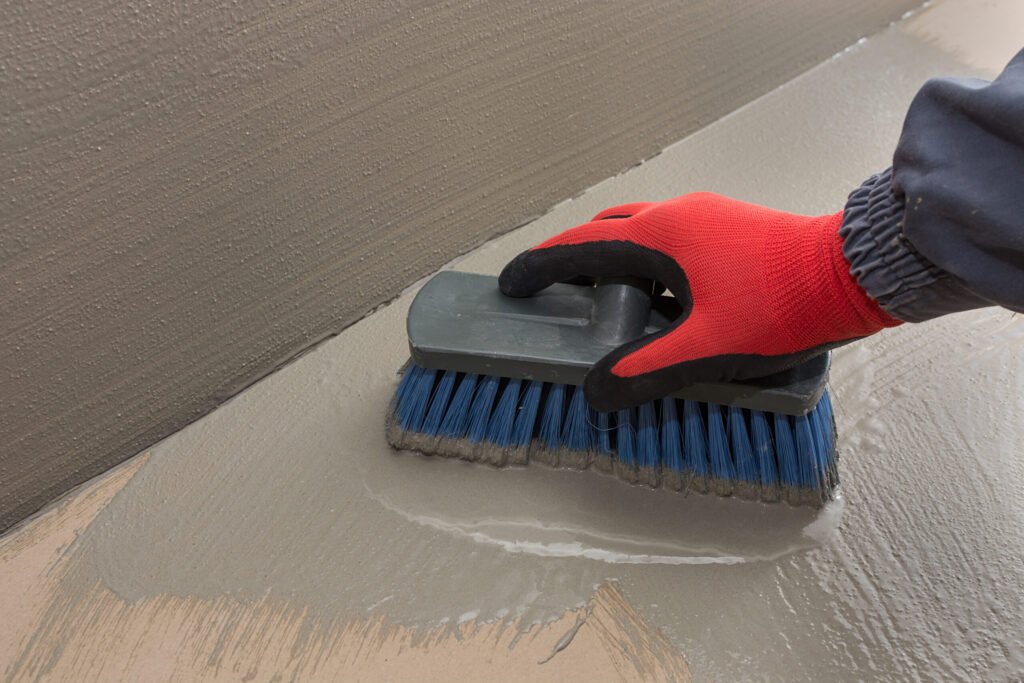
How Water Can Destroy Your Home’s Foundation Waterproofing is not merely a preventative measure; it is a strategic approach that safeguards the very foundation of your home. By creating an impenetrable barrier against water intrusion, waterproofing solutions protect your property from the devastating effects of moisture, ensuring that your investment remains secure and resilient for years to come. Water damage is one of the most common and costly challenges that homeowners face. Unchecked water infiltration can compromise the structural integrity of your home, leading to the deterioration of critical components, the growth of mold and mildew, and even the potential collapse of your property. Waterproofing serves as a proactive defense, preventing these catastrophic consequences and preserving the longevity of your residence. Cutting-Edge Techniques: Modern Solutions for Ultimate Protection From the basement to the rooftop, every element of your home can benefit from tailored waterproofing solutions. By safeguarding the foundations, walls, and other structural elements, waterproofing ensures that your property remains stable, secure, and resistant to the ravages of water over time. This comprehensive approach extends the lifespan of your home, shielding it from the elements and safeguarding your investment for the long haul. Some of the cornerstone waterproofing methods include: Learn More about – Latest waterproofing technique How Waterproofing Improves Indoor Air Quality Waterproofing plays a crucial role in maintaining the health and well-being of homeowners by preventing the growth of mold and mildew, which can have devastating consequences for indoor air quality. Damp environments are a breeding ground for mold and mildew, which can thrive in the presence of unchecked moisture. These biological growths can lead to a host of respiratory issues, allergies, and other health problems, particularly for sensitive individuals. Waterproofing creates a barrier that effectively blocks the entry of water, thus inhibiting the conditions necessary for mold and mildew to proliferate, safeguarding the indoor air quality of homes. Save Money and Energy: The Hidden Benefits of Waterproofing The benefits of waterproofing extend beyond structural integrity and indoor air quality; it also plays a vital role in enhancing the energy efficiency of homes. By maintaining a dry environment, waterproofing solutions help to preserve the thermal properties of insulation materials, enabling your home to retain heat more effectively and reducing your overall energy consumption. Wet insulation loses its ability to trap heat, leading to increased energy demands and higher utility bills. By implementing comprehensive waterproofing strategies, homeowners can ensure that their insulation remains dry and continues to provide optimal thermal performance, contributing to long-term energy savings and a more sustainable living environment. Protect Your Investment: Waterproofing and Property Value The impact of waterproofing extends beyond the immediate benefits of structural integrity, indoor air quality, and energy efficiency – it also plays a crucial role in preserving and even enhancing the long-term value of your home. Well-executed waterproofing strategies serve as a safeguard for your home’s property value. By preventing water-related damage and ensuring the longevity of your property, waterproofing makes your home more attractive to potential buyers, increasing its marketability and overall worth in the eyes of the real estate market. Investing in comprehensive waterproofing solutions is not just a practical measure – it is also a strategic investment in the future of your home. By proactively protecting your property from the ravages of water, you are safeguarding your most significant financial asset and ensuring that it retains its value for years to come. Conclusion As a homeowner, safeguarding the long-term durability and value of your property should be a top priority. By embracing the power of waterproofing, you can transform your home into a fortress that stands strong against the relentless forces of water, preserving its structural integrity, indoor air quality, and energy efficiency for years to come. Don’t let water damage jeopardize your most significant investment. Contact our waterproofing experts today and take the first step towards securing the future of your home.
How to Extend the Lifespan of Your Roof?
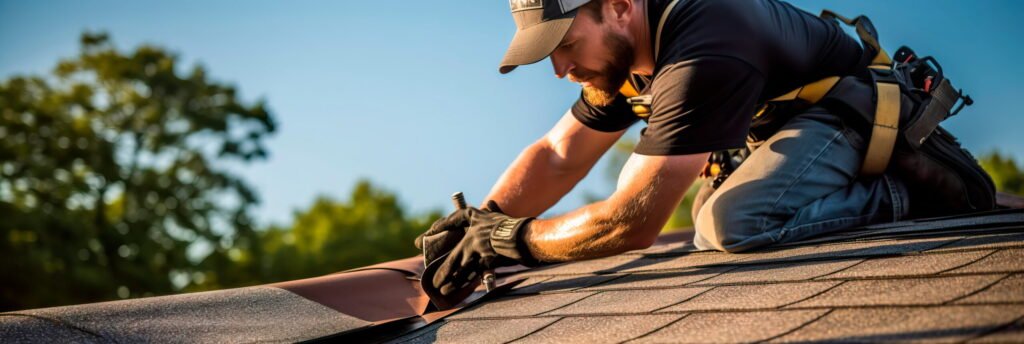
Maintaining the integrity and longevity of your roof is crucial for protecting your home and preserving its value. As a leading residential roofing service provider, we understand the importance of proactive roof care. In this comprehensive guide, we’ll share expert strategies to help you extend the lifespan of your roof, whether you have a commercial roofing system or a residential one. 1. Prioritize Regular Roof Inspections The foundation of effective roof maintenance begins with regular inspections. By closely examining your roof and attic, you can identify potential issues before they escalate into costly repairs. Start by conducting a thorough visual inspection, looking for signs of wear, damage, or debris accumulation. Pay close attention to the condition of your shingles, flashing, and gutters, as these are common problem areas. Identifying Early Warning Signs During your inspection, be on the lookout for signs of water damage, such as discoloration or staining on the ceiling or walls. These can indicate a roof leak that needs immediate attention. Additionally, keep an eye out for missing or cracked shingles, as they can allow water to penetrate the underlying structure. Scheduling Professional Inspections While DIY inspections are valuable, it’s also essential to schedule regular professional roof inspections. Roofing contractors in Langley, BC can provide a comprehensive assessment of your roof’s condition and identify any issues that may not be visible to the untrained eye. These experts can also recommend appropriate maintenance or repair measures to ensure your roof remains in top shape. 2. Maintaining a Clean and Debris-Free Roof Keeping your roof clean and free of debris is a crucial step in extending its lifespan. Accumulated leaves, twigs, and other organic matter can trap moisture, leading to the growth of algae, moss, and mildew. These unwanted guests can not only detract from the appearance of your roof but also contribute to premature deterioration. Roof Cleaning Techniques To clean your roof, you can use a leaf blower or a soft-bristle broom to remove loose debris. For more stubborn buildup, consider using a gentle roof cleaning solution and rinsing with a garden hose. Alternatively, you can hire a roofing company to handle the task, as they have the necessary equipment and expertise to ensure a thorough and safe cleaning. Gutter Maintenance Don’t forget to maintain your gutters as well. Clogged gutters can allow water to back up and seep under your shingles, leading to moisture-related issues. Regularly clearing your gutters of leaves, twigs, and other debris can help prevent these problems and ensure proper water drainage. 3. Addressing Roof Damage Promptly When it comes to roof maintenance, the old adage “a stitch in time saves nine” rings true. Addressing any roof damage, no matter how minor, as soon as possible can prevent it from escalating into a more significant and costly problem. Repairing Shingle Damage Keep an eye out for missing, curled, or damaged shingles, and have them repaired or replaced promptly. Shingles are the first line of defense against the elements, and neglecting their condition can lead to water intrusion and structural damage. Sealant and Coating Maintenance Applying specialized sealants and coatings can also help extend the life of your roof. These protective layers can shield your roof from UV damage, weathering, and water infiltration. Be sure to have these treatments reapplied as recommended by the manufacturer or your roofing contractor. 4. Ensuring Proper Ventilation Adequate attic and roof ventilation are essential for maintaining the health and longevity of your roofing system. Proper ventilation helps regulate temperature and humidity, preventing the buildup of moisture that can lead to mold, mildew, and other issues. Types of Ventilation Systems Attic ventilation can take various forms, including ridge vents, gable vents, and soffit vents. Ensure that these systems are functioning correctly and are not obstructed by debris or other materials. Balancing Airflow It’s important to maintain a balance between intake and exhaust ventilation to create a natural air circulation system. This helps prevent heat buildup in the summer and ice dam formation in the winter, both of which can be detrimental to your roof. 5. Protecting Against Weather Extremes Your roof’s exposure to the elements can significantly impact its lifespan. Preparing your roof for seasonal changes and extreme weather conditions is crucial for maximizing its durability. Winterizing Your Roof In colder climates, take steps to prevent the formation of ice dams, which can cause water to back up and seep under your shingles. This may involve installing heat cables, improving attic insulation, or clearing snow and ice from the roof’s edge. Addressing Sun Exposure Excessive sun exposure can accelerate the deterioration of roofing materials, particularly asphalt shingles. Consider using UV-resistant coatings or opting for roofing types that are better equipped to withstand prolonged sun exposure, such as metal or tile. 6. Maintaining Surrounding Landscaping The landscaping around your home can also play a role in the longevity of your roof. Properly maintaining the trees and plants near your home can help prevent debris buildup and minimize potential damage. Trimming Overhanging Branches Regularly trim any tree branches that overhang your roof. This will not only reduce the amount of leaves and twigs that accumulate on your roof but also minimize the risk of branch breakage during storms, which can cause significant damage. Controlling Vegetation Growth Keep an eye out for moss, algae, and lichen growth on your roof. These organisms can trap moisture and lead to premature deterioration. Consult a professional roofing company for the best methods to remove and prevent the recurrence of these unwanted growths. 7. Upgrading Your Roof for Long-Term Protection While proper maintenance is essential, there may come a time when it’s necessary to consider a roof replacement. Upgrading to a more durable roofing type can significantly extend the lifespan of your home’s protective covering. Evaluating Roof Lifespan The average lifespan of a roof can vary depending on the material, but it’s generally recommended to replace your roof within its expected lifespan. Factors such as climate, exposure, and maintenance can all impact the actual lifespan of your roof. Investing in Long-Term Solutions When the time comes to replace your roof, consider
The Benefits of Energy-Efficient Residential Roofing
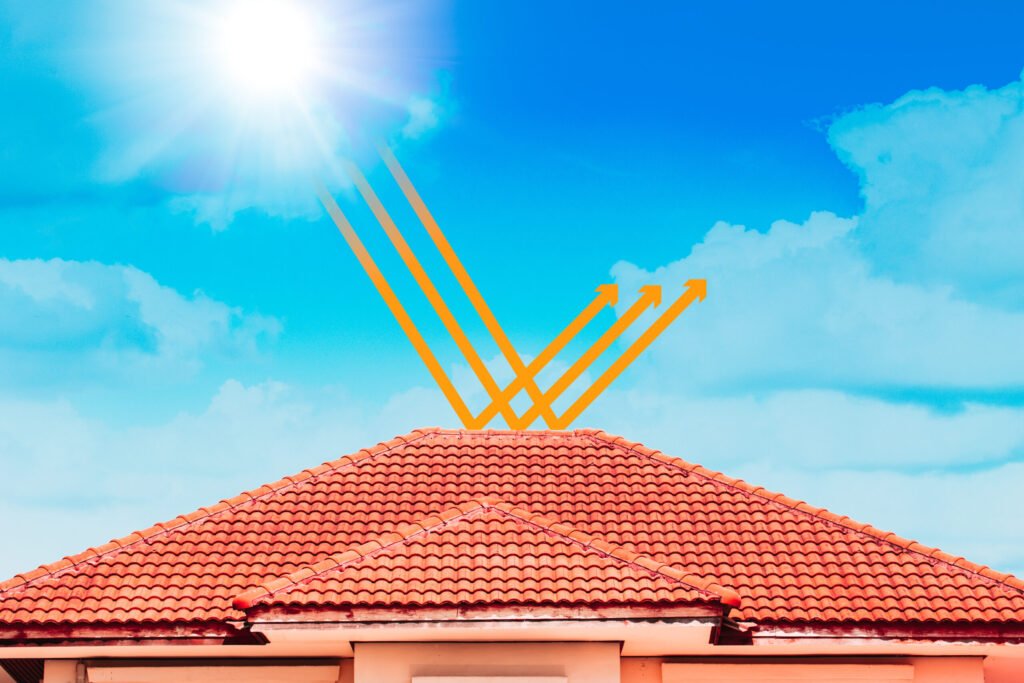
As energy costs continue to rise across the nation, homeowners are increasingly turning to energy-efficient residential roofing solutions to lower their utility bills and create more comfortable living spaces. By leveraging the latest advancements in roofing materials and design, you can enjoy a host of benefits that go far beyond just cost savings. In this article, we’ll explore the remarkable advantages of energy-efficient roofing and how it can transform your home. 1) Reducing Utility Costs One of the most significant advantages of energy-efficient roofing is its ability to significantly reduce your monthly utility bills. Traditional roofing materials, such as dark-colored asphalt shingles, tend to absorb and trap heat, causing your air conditioning system to work overtime to maintain a comfortable indoor temperature. In contrast, energy-efficient roofing solutions are designed to reflect the sun’s UV rays and prevent heat transfer, reducing the strain on your HVAC system. 2) Enhancing Indoor Comfort In addition to the financial benefits, energy-efficient roofing can dramatically improve the comfort of your living spaces, especially during the sweltering summer months. Traditional roofs that absorb and trap heat can turn your attic into a sauna, making the upper floors of your home unbearable. By reflecting the sun’s rays and preventing heat transfer, energy-efficient roofing helps maintain a more consistent and comfortable indoor temperature throughout your home. This enhanced comfort not only enhances your day-to-day living experience but can also lead to improved sleep quality, reduced stress, and better overall well-being for you and your family. 3) Extending Roof Lifespan One often overlooked benefit of energy-efficient roofing is its ability to extend the lifespan of your roof. Traditional roofing materials, such as asphalt shingles, can degrade quickly when exposed to intense heat and UV radiation. This can lead to premature wear and tear, requiring more frequent repairs and replacements. Energy-efficient roofing, on the other hand, is designed to withstand the damaging effects of the sun’s rays, helping to preserve the integrity of your roof for longer. By reducing the amount of heat and UV exposure, energy-efficient roofing can significantly extend the lifespan of your roof, potentially saving you thousands of dollars in replacement and maintenance costs over the years. 4) Environmental Benefits In an era of growing environmental consciousness, energy-efficient roofing offers a sustainable solution that reduces your carbon footprint and promotes a healthier planet. By minimizing the energy required to cool your home, energy-efficient roofing helps to lower greenhouse gas emissions and ease the strain on the electrical grid, contributing to a more sustainable future. Moreover, many energy-efficient roofing materials are designed with recycled or eco-friendly components, further reducing the environmental impact of your home improvement project. This commitment to sustainability not only benefits the planet but can also increase the resale value of your home, making it an attractive feature for eco-conscious buyers. 5) Enhancing Home Value When it comes to home improvements, few upgrades can offer the same level of long-term value as energy-efficient roofing. By reducing energy costs, enhancing indoor comfort, and extending the lifespan of your roof, this investment can significantly increase the perceived value of your home, making it a highly attractive feature for potential buyers. According to industry experts, the installation of an energy-efficient roof can add thousands of dollars to the resale value of your home, providing an excellent return on your investment. This makes energy-efficient roofing an intelligent choice for homeowners looking to maximize the value of their property, whether they plan to stay for the long term or are considering a future sale. Exploring Energy-Efficient Roofing Options With the growing demand for energy-efficient solutions, the residential roofing market has seen a proliferation of innovative materials and technologies. From reflective coatings and cool roofs to insulated and green roof systems, homeowners have a wide array of options to choose from, each with its own unique benefits and considerations. 1) Cool Roofs Cool roofs are designed to reflect a higher percentage of the sun’s radiation, reducing the amount of heat absorbed by the roof surface. These roofs are typically made from materials such as reflective shingles, tiles, or coatings, and can lower the temperature of the roof surface by up to 50°F, resulting in significant energy savings. 2) Green Roofs Green roofs, also known as living roofs, are a sustainable option that incorporates vegetation, soil, and drainage layers into the roofing system. These roofs not only provide insulation and reduce heat absorption but also offer environmental benefits, such as improved stormwater management and increased urban biodiversity. 3) Insulated Roofs Insulated roofs feature multiple layers of insulation material installed between the roof surface and the building below. This design helps to prevent heat transfer, keeping your home cooler in the summer and warmer in the winter, ultimately reducing your energy consumption and costs. 4) Synthetic Roofing For homeowners seeking a low-maintenance and highly durable option, synthetic roofing materials like CeDUR’s products offer an excellent choice. These innovative roofing solutions combine the aesthetic appeal of traditional wood shakes with superior energy-efficient performance, making them a compelling option for those seeking both style and functionality. Choosing the Right Energy-Efficient Roofing Solution When it comes to selecting the best energy-efficient roofing solution for your home, there are several factors to consider, including your local climate, budget, and personal preferences. It’s essential to work with a reputable residential roofing contractor who can assess your specific needs and recommend the most suitable options. At Great West Ent., our team of experienced roofing professionals is dedicated to helping homeowners in Langley, BC, and the surrounding areas unlock the benefits of energy-efficient roofing. We offer a wide range of high-performance roofing products, including cool roofs, green roofs, and synthetic roofing solutions, all designed to enhance your home’s energy efficiency, comfort, and curb appeal. Conclusion If you’re ready to transform your home with the power of energy-efficient roofing, we encourage you to schedule a consultation with the experts at Great West Ent. Our team will work closely with you to understand your unique needs, provide personalized recommendations, and guide
How to Choose the Best Waterproofing Service for Your Home?
Introduction Ensuring the longevity and structural integrity of your home is a top priority for any responsible homeowner. One crucial aspect of this endeavor is addressing water-related issues through strategic waterproofing. Whether you’re dealing with a leaky basement, damp walls, or other forms of moisture intrusion, selecting the right waterproofing service can make all the difference in safeguarding your property and maintaining its value. In this article, we’ll delve into the key considerations and best practices for choosing the most suitable waterproofing service for your home. Drawing insights from industry experts and seasoned professionals, we’ll equip you with the knowledge and tools necessary to make an informed decision that will protect your investment and provide long-term peace of mind. 1) Identifying Your Waterproofing Needs Before embarking on your search for the ideal waterproofing service, it’s essential to clearly understand the specific needs of your property. Assess the extent of the water-related issues you’re facing, as this will help you narrow down the options and find a company that specializes in addressing your particular challenges. 2) Evaluating the Extent of Water Damage Carefully inspect your home for signs of water infiltration, such as damp walls, musty odors, or visible cracks in the foundation. Determine the severity of the problem and identify the areas most affected, as this information will be crucial in guiding your selection of a waterproofing contractor. 3) Determining the Root Cause Identifying the underlying causes of water intrusion is a crucial step in selecting the appropriate waterproofing solution. Is the issue stemming from poor drainage, faulty plumbing, or structural defects? Understanding the source of the problem will enable you to find a contractor who can address the root cause effectively. 4) Considering Future Needs While addressing the immediate water-related concerns is essential, it’s also important to consider the long-term needs of your property. Will the waterproofing solution you choose be able to withstand the local climate and potential changes in weather patterns? Anticipating future challenges can help you make a more informed decision and ensure the longevity of the waterproofing measures. 5) Researching Potential Waterproofing Companies Once you’ve identified your specific waterproofing needs, it’s time to start researching potential service providers in your area. This comprehensive evaluation process will help you identify the most qualified and reputable contractors to entrust with the protection of your home. 6) Checking Credentials and Licenses Ensure that any waterproofing company you consider is properly licensed, bonded, and insured to operate in your local jurisdiction. This not only safeguards you from liability but also demonstrates the contractor’s commitment to professionalism and compliance with industry standards. 7) Evaluating Experience and Expertise Look for waterproofing companies with a proven track record of successfully completing projects similar to your own. Inquire about their years of experience, the types of waterproofing techniques they specialize in, and any industry certifications or affiliations they hold. This information will give you a better understanding of their capabilities and the level of expertise they can bring to your project. 8) Reviewing Customer Testimonials and References Reach out to the company’s past clients to gain valuable insights into their level of customer service, the quality of their work, and the overall satisfaction of those who have entrusted them with their waterproofing needs. Pay close attention to any recurring themes or patterns in the feedback, as this can help you identify the most reliable and trustworthy service providers. 9) Comparing Estimates and Proposals Obtain detailed estimates and proposals from multiple waterproofing companies to compare their pricing, the scope of work, and the materials they intend to use. Be wary of contractors who provide vague or overly generic quotes, as this may indicate a lack of attention to the specifics of your project. 10) Assessing Communication and Transparency Effective communication and transparency are essential qualities in a reliable waterproofing service provider. Observe how the company responds to your inquiries, how promptly they address your concerns, and how clearly they explain their proposed solutions. A reputable contractor should be willing to walk you through the entire process, answer your questions thoroughly, and keep you informed every step of the way. 11) Evaluating Waterproofing Techniques and Materials Waterproofing is not a one-size-fits-all solution, and the specific techniques and materials used can have a significant impact on the effectiveness and longevity of the project. Familiarize yourself with the various approaches and make an informed decision that aligns with your needs and budget. 12) Understanding Waterproofing Techniques Waterproofing companies may employ a range of techniques to address water intrusion, including exterior excavation and foundation sealing, interior drainage systems, and the application of sealants or coatings. Discuss the pros and cons of each method with the contractors you’re considering, and determine which approach best suits your property’s unique requirements. 13) Assessing Material Quality The quality of the materials used in the waterproofing process is crucial to the long-term performance of the solution. Inquire about the specific products and materials the contractors plan to use, and research their durability, environmental impact, and manufacturer warranties. Opt for high-quality, reputable brands that are known for their effectiveness and longevity. 14) Considering Warranty and Guarantees A reliable waterproofing company should stand behind its work with comprehensive warranties and guarantees. Carefully review the terms and conditions of the offered warranties, ensuring that they cover both labor and materials for an adequate duration. This will provide you with the peace of mind that your investment is protected against future issues. 15) Prioritizing Environmental Responsibility As environmental awareness continues to grow, it’s essential to consider the ecological impact of the waterproofing solutions you choose for your home. Opt for contractors who prioritize sustainable practices and offer eco-friendly alternatives that minimize their carbon footprint. 16) Exploring Environmentally-Friendly Options Look for waterproofing companies that utilize non-toxic, biodegradable materials and employ techniques that are gentle on the environment. This may include the use of natural sealants, energy-efficient drainage systems, and solutions that minimize waste and resource consumption. 17) Ensuring Compliance with Local Regulations Stay informed about the local
Which waterproofing is best for basement?
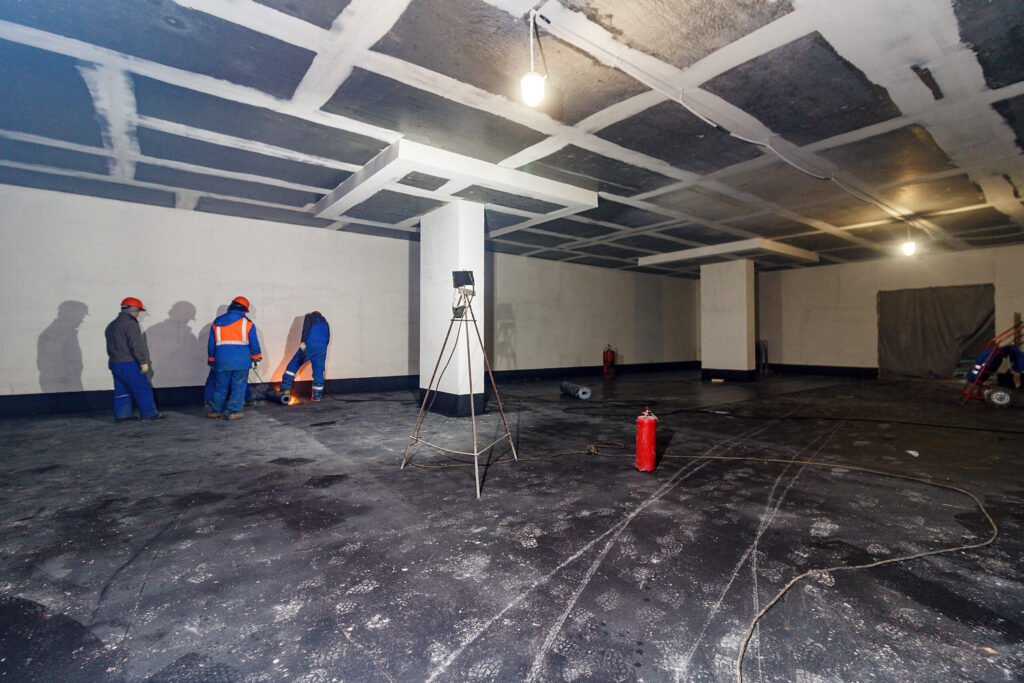
Maintaining a dry, well-protected basement is crucial for the structural integrity and overall health of your home. Whether you’re dealing with persistent moisture issues, recurring leaks, or concerns about potential water damage, finding the right waterproofing solution can be a daunting task. In this article, we’ll dive into the various basement waterproofing methods, their pros and cons, and help you determine the best approach for your unique situation. Causes of Basement Water Intrusion Before we delve into the waterproofing solutions, it’s essential to understand the common causes of basement water issues. Concrete, the primary material used in basement construction, is inherently porous and susceptible to moisture infiltration. Hairline cracks, capillary tracts, and other tiny imperfections in the concrete can allow water to seep in, leading to a host of problems, including mold growth, structural damage, and even the potential for radon gas passage. Factors such as the location of your home, the type of foundation, and the surrounding landscape can also contribute to basement water problems. Improper grading, clogged gutters, and inadequate drainage systems can all channel water towards the foundation, exacerbating the issue. Three Major Approaches to Basement Waterproofing When it comes to waterproofing your basement, you have three primary options to consider: sealants and epoxy injections, interior drainage systems, and exterior waterproofing. Each approach has its unique advantages and drawbacks, and the best solution for your home will depend on the specific nature of your water problem and your budget. 1. Sealants and Epoxy Injections Sealants and epoxy injections are often considered a quick fix for minor moisture issues. These masonry waterproofing products are applied directly to the basement walls, creating a barrier to prevent water from seeping in. While they can be a cost-effective solution, they are not a long-term fix and may not address the root cause of the problem. One of the key advantages of sealants and epoxy injections is their relative ease of application, making them a potential DIY option for some homeowners. However, these methods are not without their limitations. Sealants should not be applied over painted walls or efflorescence (white mineral deposits on concrete), and epoxy injections can be prone to cracking as the foundation walls expand and contract. 2. Interior Drainage Systems Waterproofing a basement from the inside is often considered the most practical and cost-effective approach for many homeowners. An interior drainage system, commonly referred to as a French drain, involves digging a trench along the interior perimeter of the basement floor and installing a drain and sump pump to channel water out of the basement. 3. Exterior Waterproofing Waterproofing a foundation from the outside typically involves using polymers and membranes to coat the exterior of the walls, installing a trench drain underground, or a combination of both methods. When executed properly, exterior drainage can effectively waterproof a basement, but it comes with its own set of trade-offs. The primary disadvantages of exterior waterproofing are the high cost and the increased likelihood of clogging. Excavation is an expensive and disruptive process, and exterior drains are prone to becoming clogged, which can result in a flooded basement if not properly maintained. Choosing the Best Waterproofing System for Your Basement Determining the best waterproofing solution for your basement ultimately comes down to two key factors: the source of the water problem and your available budget. If the issue is relatively minor, some homeowners may opt for a temporary fix, such as sealants or epoxy injections. However, these methods often prove to be a short-term solution, and homeowners frequently end up needing to install a more comprehensive drainage system to effectively address the problem. On the other hand, if flooding is a persistent concern in your area or you have a consistently wet basement, a more robust waterproofing system, such as an interior drainage system or a combination of interior and exterior methods, may be the best long-term solution. Advantage of Choosing Great West Ent. for your next Waterproofing Services At Great West Ent., we understand that every basement is unique, and a one-size-fits-all approach simply won’t do. Our team of experienced waterproofing professionals is dedicated to providing tailored solutions that address the specific needs of your home. Whether you’re dealing with persistent moisture, recurring leaks, or concerns about potential water damage, our experts will work closely with you to diagnose the root cause of the problem and design a long-term waterproofing solution that meets your needs and budget. Conclusion Maintaining a dry, well-protected basement is essential for the overall health and structural integrity of your home. By understanding the various waterproofing methods available and working with a trusted waterproofing company like Great West Ent., you can unlock the dry, healthy basement of your dreams and enjoy peace of mind for years to come. Don’t let a wet basement hold you back. Contact the waterproofing experts at Great West Ent. today and take the first step towards a dry, secure, and worry-free basement. Frequently Asked Questions 1) What are the best basement waterproofing products? The best basement waterproofing products include sealants, epoxy, sump pumps, and dehumidifiers. For more comprehensive waterproofing, consider getting a contractor to install interior or exterior drain tiles, as well as gutters and French drains outside. 2) How do you completely waterproof a basement? To completely waterproof a basement, you need to address all areas contributing to moisture problems. This includes sealing walls and the foundation, diverting water away from the home using drains and gutters (both inside and out), and installing a sump pump to pump out any water that does enter the basement. 3) Is Drylok a bad idea? Drylok can be a bad idea if it’s the only waterproofing solution you rely on. While a sealant like Drylok can prevent water damage and mildew growth on the protected surfaces, it doesn’t address the root cause of the moisture issues. Drylok should be just one part of a larger plan to avoid basement water problems. 4) Should I waterproof my basement from the inside or outside? The
What is the latest waterproofing technique?
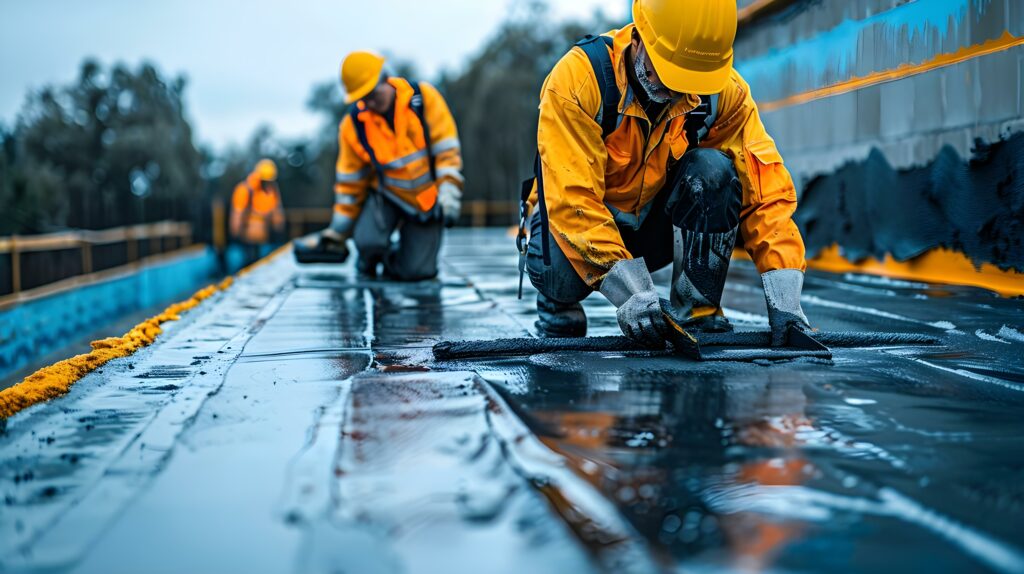
Waterproofing is a critical aspect of building construction, responsible for protecting structures from the devastating effects of water infiltration. As the industry evolves, homeowners and contractors alike are seeking the most advanced waterproofing techniques to ensure the longevity and integrity of their projects. In this article, we will learn about the latest waterproofing innovations, exploring the benefits, applications, and best practices for each method. 6 latest waterproofing technique 1. Cementitious Waterproofing Cementitious waterproofing is a popular choice for its ease of application and widespread availability. This method involves applying a cement-based coating or slurry to the surface of the foundation or structure, creating a waterproof barrier. The versatility of cementitious waterproofing makes it a go-to solution for a variety of applications, including basements, foundations, and even water treatment facilities. Advantages of Cementitious Waterproofing Cost-Effective: The materials used in cementitious waterproofing are relatively inexpensive, making it a budget-friendly option. Easy Application: Cementitious waterproofing can be applied using a roller or brush, simplifying the installation process. Proven Effectiveness: This method has a long history of successfully preventing water infiltration in various construction projects. Applications of Cementitious Waterproofing Foundations and Basements: Cementitious waterproofing is commonly used to protect below-grade structures from groundwater and moisture. Bridges, Dams, and Tunnels: The cementitious method is also employed in the waterproofing of decks, bridges, dams, and tunnels, where a high level of protection is required. Sewage and Water Treatment Plants: Cementitious waterproofing is an ideal solution for waterproofing critical infrastructure like sewage and water treatment facilities. 2. Liquid Waterproofing Membranes Liquid waterproofing membranes offer a versatile and adaptable solution for waterproofing various surfaces. These coatings, typically made of rubber or plastic, are applied to the surface using a roller or brush, creating a seamless and flexible barrier against water infiltration. Benefits of Liquid Waterproofing Membranes Cost-Effectiveness: Liquid waterproofing membranes are generally more cost-effective compared to some other waterproofing methods. High Performance: These membranes provide excellent water resistance and can accommodate structural movements. Ease of Application: Liquid waterproofing membranes are easy to apply, making them a convenient choice for a range of projects. Applications of Liquid Waterproofing Membranes Foundations and Basements: Liquid membranes are commonly used to waterproof below-grade structures, such as foundations and basements. Decks and Balconies: These flexible coatings are well-suited for waterproofing elevated structures like decks and balconies. Roofs: Liquid waterproofing membranes can also be used to protect flat roof areas exposed to weather. 3. Bituminous Coatings Bituminous coatings, a mixture of bitumen (a type of asphalt) and a filler material, offer a robust and long-lasting waterproofing solution. These coatings are applied to surfaces using a roller or brush, creating a waterproof barrier that is resistant to various environmental factors. Characteristics of Bituminous Coatings Adhesive Properties: Bituminous coatings exhibit excellent adhesive qualities, allowing them to bond securely to the surface. Corrosion Resistance: These coatings are highly resistant to corrosion, making them suitable for a wide range of applications. Durability: Bituminous coatings are known for their strength, waterproofing capabilities, and overall longevity. Economic Viability: Bituminous coatings are a cost-effective waterproofing solution. Applications of Bituminous Coatings Roofs: Bituminous coatings are commonly used to waterproof roofs, providing a durable and weather-resistant barrier. Foundations and Decks: These coatings can also be applied to foundations, decks, and other below-grade structures to prevent water infiltration. Existing Surfaces: Bituminous coatings can be used to waterproof both new and existing surfaces, making them a versatile option. 4. Bituminous Membranes Bituminous membranes, composed of bitumen and a reinforcement layer, offer a more advanced waterproofing solution compared to bituminous coatings. These membranes are applied to surfaces using heat or a solvent, creating a durable and flexible barrier against water penetration. Features of Bituminous Membranes Puncture and Fatigue Resistance: Bituminous membranes exhibit exceptional resistance to punctures and fatigue, ensuring long-lasting protection. Dimensional Stability: These membranes maintain their dimensional stability under tension, providing reliable performance. Chemical Resistance: Bituminous membranes are highly resistant to a wide range of chemicals, making them suitable for various applications. Flexibility: The flexible nature of these membranes allows them to accommodate structural movements without compromising their waterproofing capabilities. Applications of Bituminous Membranes Roofing: Bituminous membranes are a popular choice for waterproofing low-sloped roofs due to their proven performance. Foundations and Below-Grade Structures: These membranes can be used to waterproof foundations, tunnels, and other below-grade structures. Elevated Structures: Bituminous membranes are also suitable for waterproofing elevated structures like parking decks and plaza decks. 5. Polyurethane Liquid Membranes Polyurethane liquid membranes represent a specialized waterproofing solution, particularly suited for flat roof areas exposed to weather. These liquid-applied coatings offer enhanced flexibility and adaptability, making them a valuable option in certain waterproofing applications. Benefits of Polyurethane Liquid Membranes Flexibility: Polyurethane liquid membranes provide greater flexibility compared to some other waterproofing methods. Versatility: These membranes can be used on a variety of surfaces, including balconies, terraces, roofs, and damp walls. Seamless Application: Polyurethane liquid membranes create a seamless, continuous barrier, reducing the risk of leaks and water infiltration. Considerations for Polyurethane Liquid Membranes Moisture Sensitivity: Polyurethane is highly sensitive to moisture content, requiring careful evaluation of the substrate before application to prevent issues like peeling or debonding. Cost: Polyurethane liquid membranes are generally more expensive than some other waterproofing options. 6. Rubberized Asphalt Rubberized asphalt waterproofing is a method that combines asphalt and recycled rubber, typically from tires, to create a flexible and durable waterproof membrane. This innovative approach not only provides effective waterproofing but also promotes sustainable construction practices. Characteristics of Rubberized Asphalt Waterproofing Durability: The combination of asphalt and rubber results in a highly durable and flexible waterproofing membrane. Flexibility: Rubberized asphalt waterproofing is able to accommodate movement and expansion, making it suitable for surfaces that may experience structural changes. Environmental Benefits: The use of recycled tires in the rubberized asphalt helps to promote sustainable construction and reduce waste. Applications of Rubberized Asphalt Waterproofing Roofing: Rubberized asphalt waterproofing can be used to protect roofs, providing a long-lasting and weather-resistant barrier. Foundation Waterproofing: This method is also employed in the waterproofing of foundations and other
What is the most affordable type of roofing?
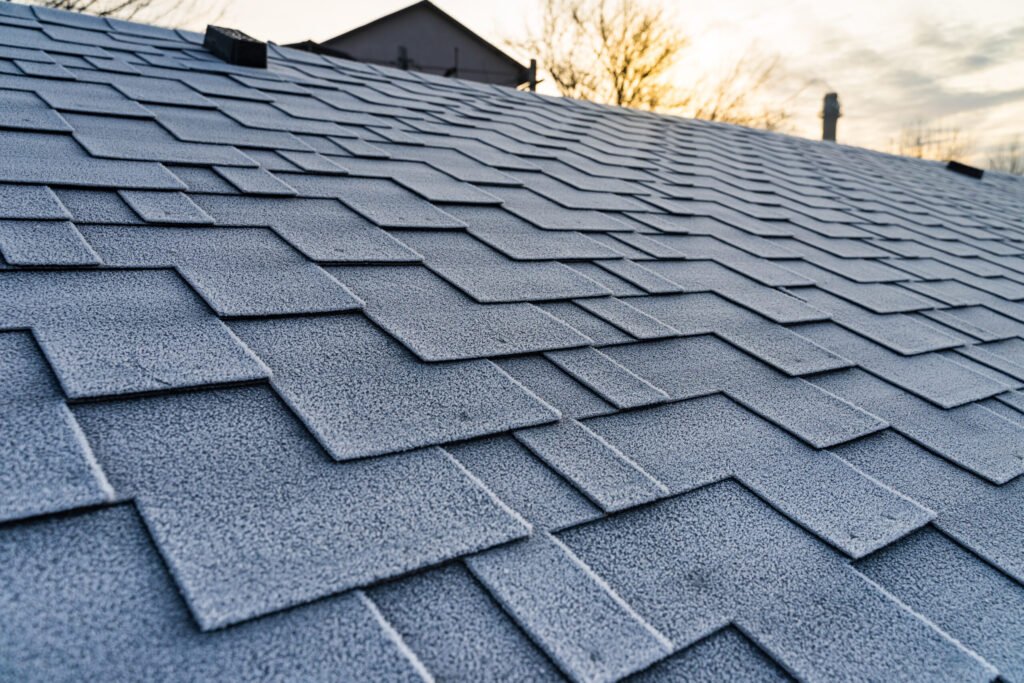
Introduction When it comes to home improvement projects, a new roof is often one of the biggest investments a homeowner can make. With so many roofing materials and options available, it can be overwhelming to determine the most affordable choice without compromising quality. As a leading roofing company in Langley, BC, Great West Ent. is committed to providing homeowners with unbiased and transparent information to help them make informed decisions about their roofing needs. In this article, we’ll explore the most affordable roofing material on the market and dive into the key considerations every homeowner should know. Whether you’re a first-time homebuyer or a seasoned property owner, this guide will equip you with the knowledge to choose the right roofing solution that fits your budget and long-term goals. The Most Affordable Roofing Material When it comes to finding the most affordable roofing material, asphalt shingles stand out as the clear frontrunner. As the most widely used roofing option in the residential market, asphalt shingles offer a combination of cost-effectiveness, durability, and versatility that make them a popular choice for homeowners. The Three Types of Asphalt Shingles Asphalt shingles can be further categorized into three distinct types, each with its own unique characteristics and price points: Factors to Consider When Choosing Asphalt Shingles When selecting the most affordable roofing option for your home, there are several key factors to consider beyond just the initial cost: Lifespan and Warranties The lifespan of an asphalt shingle roof can vary significantly depending on the specific type of shingle. 3-tab shingles typically have a manufacturer-stated lifespan of 25 years, while architectural and luxury shingles can last up to 30 years. However, it’s important to note that these lifespans are often based on ideal conditions, and homeowners can realistically expect to get 80-85% of the stated lifespan. Attic Ventilation and Proper Installation Proper attic ventilation and professional installation are essential for maximizing the lifespan of an asphalt shingle roof. Inadequate ventilation can lead to premature deterioration of the shingles, while improper installation can void the manufacturer’s warranty. Investing in a reputable roofing contractor is crucial to ensure your asphalt shingle roof is installed correctly and performs optimally. Maintenance and Upkeep Asphalt shingle roofs require regular maintenance to maintain their integrity and extend their lifespan. This includes annual inspections, clearing debris from the roof and gutters, and addressing any minor issues before they escalate. Neglecting routine maintenance can lead to accelerated wear and tear, ultimately shortening the life of your roof. Choosing the Right Asphalt Shingle for Your Home With a clear understanding of the different types of asphalt shingles and the key factors to consider, the next step is to determine which option best suits your needs and budget. To help you make an informed decision, let’s explore the unique characteristics of each asphalt shingle type: 3-Tab Asphalt Shingles As the most budget-friendly option, 3-tab asphalt shingles are a viable choice for homeowners with tight budgets. These shingles feature a flat, uniform appearance and a 25-year manufacturer-stated lifespan. However, it’s important to note that 3-tab shingles are gradually being phased out of the industry as newer, more advanced options become the standard. Architectural Asphalt Shingles Architectural, or laminated, asphalt shingles offer a step up in quality and performance compared to 3-tab shingles. These shingles feature a more dimensional and textured appearance, providing a more visually appealing aesthetic. With a 30-year manufacturer-stated lifespan and the option for a 50-year non-prorated enhanced warranty, architectural shingles are a popular choice for homeowners seeking a balance of affordability and long-term value. Luxury Asphalt Shingles At the premium end of the asphalt shingle spectrum, luxury shingles are the most expensive option. These high-end shingles are thicker, more durable, and often designed to mimic the look of premium roofing materials like slate or cedar shake. While the initial cost may be higher, luxury shingles can provide homeowners with a long-lasting and visually stunning roofing solution. Conclusion When it comes to finding the most affordable roofing option for your home, asphalt shingles stand out as the clear frontrunner. With a range of types and price points, asphalt shingles offer homeowners the opportunity to balance cost-effectiveness with quality and long-term performance. As you navigate the roofing market, it’s essential to consider factors such as lifespan, warranties, installation, and maintenance to ensure you make the best decision for your home and budget. By working with a trusted roofing company like Great West Ent., you can be confident that you’re making an informed choice that will provide your home with the protection and value it deserves.
When Is the Best Time to Replace a Roof?
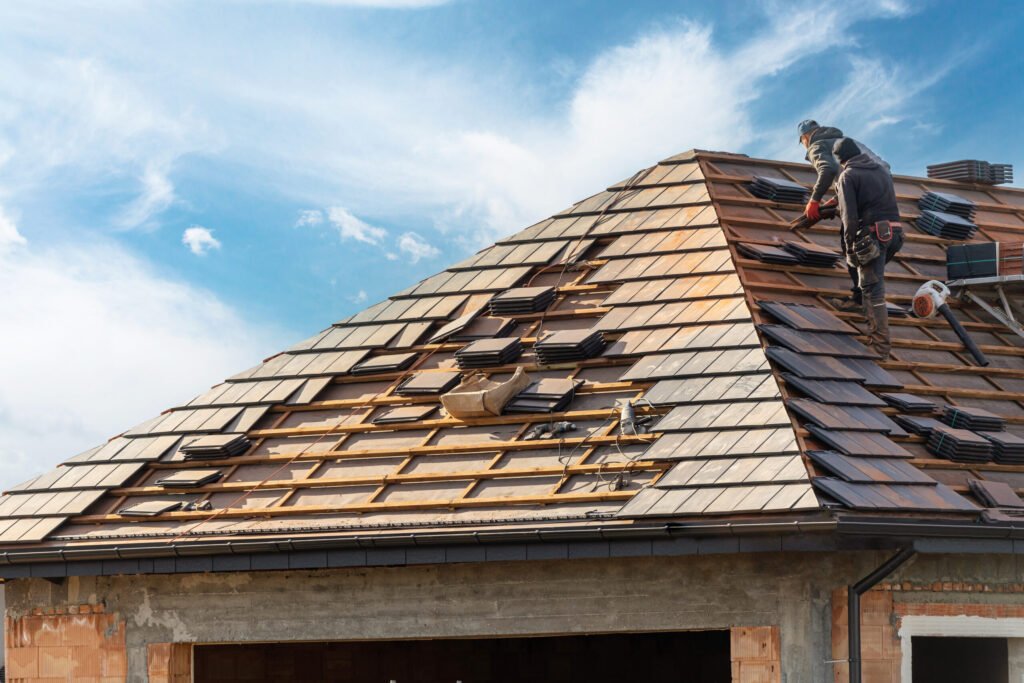
Introduction Owning a home is a significant investment, and one of the most critical components that requires regular attention is the roof. As a homeowner, you’ll eventually face the decision of when to replace your roof. Timing this project can be tricky, as various factors come into play, including weather conditions, contractor availability, and budgetary considerations. In this article, we’ll explore the best seasons for roof replacement and provide you with the insights you need to make an informed decision for your home. Importance of Roof Replacement Your roof is the first line of defense against the elements, protecting your home and its contents from the harsh effects of weather. Over time, roofing materials can degrade, leading to leaks, damage, and even structural issues. Neglecting roof maintenance can result in costly repairs and, in some cases, the need for a complete roof replacement. Replacing your roof is a significant investment, typically costing between $6,000 to $13,000, depending on the size of your home, the roofing materials used, and your location. However, this investment can pay dividends in the long run, as a well-maintained roof can last for decades and improve the overall energy efficiency of your home. Factors to Consider When Choosing the Best Season When it comes to roof replacement, the timing of the project can have a significant impact on the overall process and outcome. Let’s explore the key factors to consider when determining the optimal season for your roof replacement: Weather Conditions The weather is arguably the most critical factor in determining the best time of year for a roof replacement. Extreme temperatures, precipitation, and other weather events can all impact the installation process and the durability of the new roofing materials. Winter While winter may seem like an unlikely time for a roof replacement, it can actually be a viable option in some regions. The cooler temperatures can be advantageous, as they can prevent the roofing materials from becoming too soft and pliable, making them easier to work with. However, the potential for snow, ice, and freezing temperatures can also pose significant challenges, potentially delaying the project or causing damage to the new roofing materials. Spring Spring is often considered the second-best season for roof replacement, as the weather is generally milder and more stable than in the winter. The cooler temperatures and lower humidity levels can create favorable conditions for the installation process, allowing for a more efficient and effective project. However, the potential for rainy weather during the spring months can also present some challenges, potentially causing delays and requiring additional precautions to protect the new roofing materials. Summer Summer is a popular choice for roof replacement, as the warm, dry weather can be ideal for the installation process. The heat can help activate the adhesive properties of the roofing materials, ensuring a secure and durable installation. However, the intense heat and humidity of the summer months can also create challenges, as the roofing materials may become more susceptible to damage and the workers may require more frequent breaks to avoid heat-related illnesses. Fall Many experts consider fall to be the best season for roof replacement. The mild temperatures and consistent weather patterns during this time of year can create the ideal conditions for a successful and efficient project. The cooler temperatures can also help the roofing materials to seal and adhere properly, ensuring a long-lasting and weather-resistant roof. However, the high demand for roofing services during the fall can make it more challenging to secure a spot on a contractor’s schedule. Contractor Availability The availability of qualified roofing contractors can also play a significant role in determining the best time of year for your roof replacement. During the peak seasons, such as spring and fall, roofing companies may be inundated with requests, making it more challenging to schedule your project in a timely manner. Conversely, the slower seasons, like winter, may offer more flexibility and potentially lower prices, as contractors are eager to keep their crews busy. Budget Considerations The cost of a roof replacement can vary depending on the time of year you choose to undertake the project. During the peak seasons, when demand is high, roofing contractors may charge a premium for their services. In contrast, the slower seasons, such as winter, may offer more competitive pricing as contractors aim to keep their crews working and maintain a steady flow of business. Comparing Seasonal Pros and Cons To help you make an informed decision, let’s take a closer look at the pros and cons of each season for roof replacement: Winter Pros: Cons: Spring Pros: Cons: Summer Pros: Cons: Fall Pros: Cons: Choosing the Right Roofing Contractor Regardless of the season you choose for your roof replacement, selecting the right roofing contractor is crucial to the success of your project. Look for a reputable, experienced contractor who is licensed, insured, and has a track record of delivering high-quality work. When evaluating potential contractors, consider factors such as their warranty offerings, the materials they use, and their communication style. It’s also a good idea to request references from past clients and to thoroughly review their portfolio of previous projects. Preparing for Your Roof Replacement Once you’ve selected the optimal season and a qualified roofing contractor, it’s time to prepare for the roof replacement process. This may involve: By taking these steps, you can help ensure a smooth and efficient roof replacement project, regardless of the time of year. Conclusion Replacing your roof is a significant investment, and timing the project correctly can make a significant difference in the overall process and outcome. By considering factors such as weather conditions, contractor availability, and budgetary constraints, you can determine the best season for your roof replacement and work with a qualified roofing contractor to ensure a successful and long-lasting outcome. At Great West Ent., we are committed to providing our clients with the highest quality roofing services, no matter the time of year. Contact us today to schedule a consultation and learn more
What is waterproofing? 10 Benefits of Exterior Waterproofing
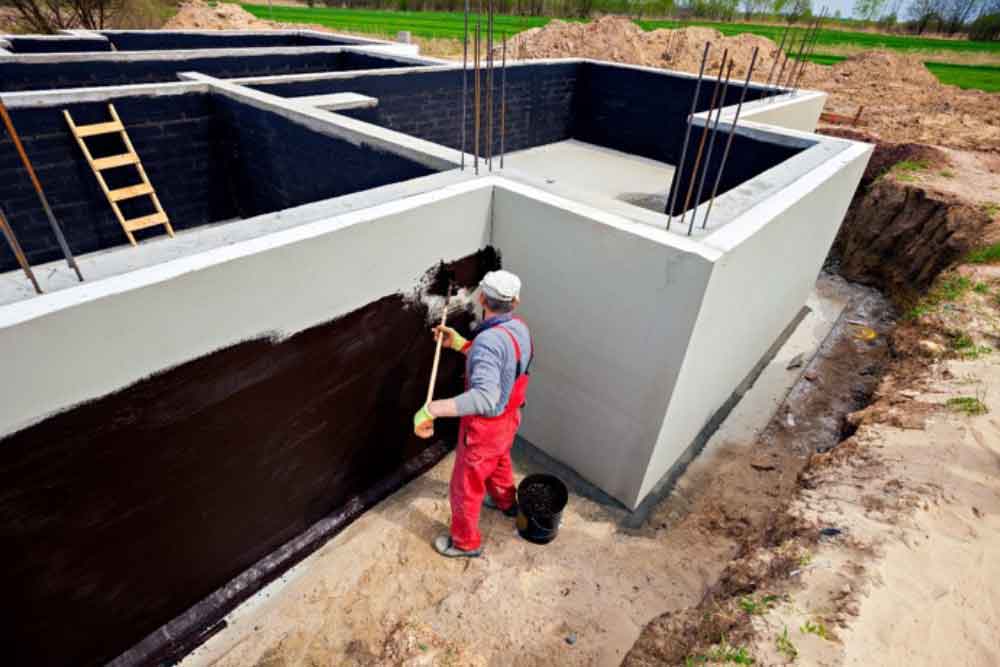
Waterproofing your home is a smart investment that offers a wide range of benefits. Whether you want to protect your property from water damage or create a healthier living environment, waterproofing is a crucial step. In this comprehensive guide, we will explore the top 10 unexpected benefits of waterproofing and explain why it’s essential for every homeowner. What is Waterproofing? Waterproofing is the process of applying a protective coating or membrane to surfaces in and around your home to prevent water damage. It is typically done on both the interior and exterior of a property and involves sealing cracks, installing drainage systems, and using waterproof materials. By waterproofing your home, you can safeguard it from water intrusion and potential damages. The Importance of Exterior Waterproofing Exterior waterproofing is a critical aspect of protecting your home from water damage. It involves creating a barrier on the outside of your property to prevent water from seeping into the foundation, walls, and other vulnerable areas. 10 benefits of exterior waterproofing: 1. Prevents Costly Water Damage Water damage can have a significant financial impact on homeowners. According to statistics, water damages account for 20% of all insurance claims made by homeowners. By investing in exterior waterproofing, you can prevent costly repairs caused by flooding, including basement flooding. 2. Creates a Healthier Living Environment Mold can start growing on damp surfaces within 24-48 hours, and prolonged exposure to mold can lead to respiratory issues such as asthma and allergies. Exterior waterproofing helps to create a healthier home environment by preventing moisture from seeping into your property and reducing the risk of mold growth. 3. Reduces Heating and Cooling Costs Humid indoor air caused by basement leaks can put a strain on your air conditioning system, leading to increased energy bills. By waterproofing your basement, you can lower your overall heating and cooling costs by as much as 10-15%. 4. Protects Your Floors Underneath your home’s flooring, there is usually a thin layer of concrete that can be vulnerable to pressure from groundwater. This pressure can cause cracks and leaks, leading to costly repairs. By waterproofing your home, you can protect your floors and extend their lifespan. 5. Increases Property Value Mold and water damage can significantly reduce the value of your home by up to 25%. Waterproofing your property ensures its overall protection and increases its value. Potential buyers will appreciate the added assurance that your home is safeguarded against water-related issues. 6. Improves Safety and Wellbeing Over 60% of basements in the U.S. have moisture problems, which can lead to various safety hazards. Waterproofing your basement lowers moisture levels, reducing the risk of slips, falls, and structural damage. By waterproofing, you can enhance the safety and wellbeing of your family. 7. Prevents Structural Damage When water seeps through the foundation of your home, it can cause significant cracks and even lead to the buckling of walls. Exterior waterproofing adds structural protection by preventing water from compromising the integrity of your home’s foundation. 8. Protects Your Sump Pump Sump pumps are essential for keeping basements dry, but they can sometimes fail or break down. By having additional waterproofing in your basement, you provide an extra layer of protection in case the sump pump fails. This ensures that your home remains dry even during pump malfunctions. 9. Safeguards Your Valuables and Memories Basements are often used for storing furniture, photo albums, and other valuable items. If your basement floods, it can destroy these precious artifacts and cause irreparable water damage. Waterproofing your basement helps protect your cherished belongings from water-related disasters. 10. Reduces Stress and Enhances Wellbeing Water damage and leaks can cause significant stress for homeowners. By waterproofing your home, you can have peace of mind knowing that your property, belongings, and family are safe from the detrimental effects of water damage. This reduction in stress can enhance your overall wellbeing. Choosing a Professional Waterproofing Company To enjoy these benefits, it is crucial to work with a reputable and experienced waterproofing company. Great West Ent. is a leading waterproofing service provider that specializes in protecting homes from water damage. With their expertise and advanced techniques, they can ensure the highest level of quality and customer satisfaction. Conclusion Waterproofing your home is a wise investment that offers numerous unexpected benefits. From preventing costly water damage to creating a healthier living environment, exterior waterproofing is essential for every homeowner. By partnering with a trusted waterproofing company like Great West Ent., you can safeguard your property and enjoy peace of mind for years to come. When it comes to protecting your home, prevention is always better than cure. Take the necessary steps today to waterproof your property and reap the long-term benefits it provides. For more information on waterproofing services and to Get a FREE quote, contact Great West Ent. at 778-654-8615